
Reviews 

The Hidden Fire Danger in “Eco-Friendly” Fuels
Tabletop fire pits, indoor fire pits, alcohol fire pits, mini fire pits and “personal fireplaces” that burn alcohol-based fuels—such as ethanol, isopropyl alcohol, rubbing alcohol, or bio-ethanol gel—are often marketed as “clean-burning,” “eco-friendly,” or “indoor safe.” But behind this safe or eco-friendly image lies a hidden hazard. These fuels can produce nearly invisible flames and highly volatile vapors. A fire pit may look extinguished when it’s still burning, leading consumers to refill it—and triggering a sudden flame-jetting explosion and fire.
Victims of these fire pit accidents often sustain catastrophic second- or third-degree burns to the face, hands, and upper body. Many require skin grafts, reconstructive surgery, and years of rehabilitation. These are not isolated incidents—they are the predictable result of poor product design and a lack of visible flame indicators, flame arrestors, and safety labeling.
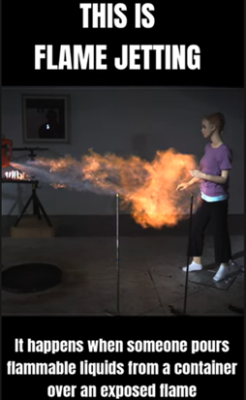
Each type of table top fire pit fuels are all alcohol-based fuels including ethanol, methanol, isopropyl alcohol, rubbing alcohol and bio-ethanol—has properties that make it difficult to handle safely:
1. Invisible Flames Create a False Sense of Safety
Ethanol burns with a bluish-clear flame that may be invisible in daylight. Users often assume the flame is out and pour in more fuel, igniting trapped vapors in an instant.
2. Vapor Accumulation and Flash Ignition
Alcohol vapors are heavier than air and can pool around tabletops, decks, or furniture. Even residual heat from a bowl can cause ignition, producing a flash fire or explosion.
3. Flame Jetting Explosions
Pouring fresh alcohol fuel into a warm or active fire pit can cause pressure inside the bottle to ignite, turning it into a blowtorch that shoots flames several feet.
4. Absence of Flame Arrestors or Safety Lids
Many imported or online-sold fire pits do not meet ASTM F3363-19, fire safety standard for liquid-fueled fire devices. Without flame arrestors or extinguishing covers, vapors ignite freely.
5. Misleading or Inadequate Labeling
Some containers claim to be “clean” or “safe for indoor use” without disclosing invisible-flame hazards. Others bury vital warnings in small print that consumers never see.

Knowing the differences between fuels can help explain why accidents happen:
| Fuel Type | Common Use | Hazard |
|---|---|---|
|
Ethanol / Denatured Alcohol |
Found in “bio-ethanol” tabletop fire pits |
Invisible flame, explosive vapors |
|
Isopropyl Alcohol (Rubbing Alcohol) |
Improvised or mislabeled fuel |
High vapor pressure, flash ignition
|
|
Methanol |
Used in some gel fuels |
Toxic and volatile, invisible burn |
|
Bio-Ethanol Gel |
Sold as eco-friendly indoor fuel |
Thick gel delays ignition and traps vapor |
|
Mixed Alcohol Fuels |
Often unlabeled |
Unpredictable burn characteristics |
Even when labeled “bio” “eco” or “clean,” these fuels behave nothing like wood, propane, or natural gas. Their invisible combustion and low ignition temperature make them among the most dangerous consumer fuels sold today.
Victims of ethanol or alcohol fire pit explosions often suffer:
Even smaller burns can cause devastating pain and require multiple surgeries and skin grafts. Learn more on our companion page: Burns, Scars, and Disfigurement Injuries
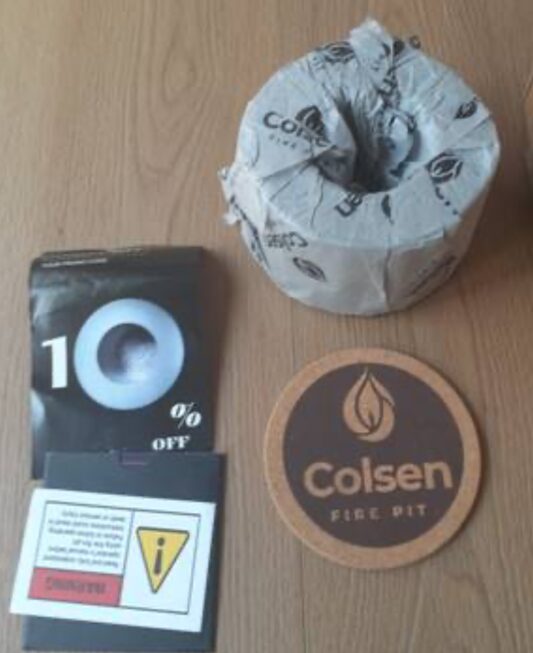
Reports and recalls have named numerous alcohol-fueled fire pits and fuels, including:
Similar tabletop and decorative fire pits sold under other brand names — such as RoundFire, Sharper Image, Terra Flame, Fire Flame, Cinder, and Neelo — use comparable alcohol-based fuel products, canned gels and designs that may present similar hazards to consumers. Further regulators have confirmed that many of these products violate ASTM standards or lack clear flame warnings.
Under U.S. product liability law, manufacturers, distributors, importers, and online retailers can be held responsible when their fire pits or fuels cause injury. Legal claims may involve:
Recoverable damages may include:
For details on building a case, see: How to File a Fire Pit Lawsuit
Crucial evidence must be preserved immediately:
Proof such as ASTM F3363-19 violations, fuel chemistry, or ignition pattern analysis can determine liability.
Recent safety bulletins highlight the nationwide scope of ethanol fire pit injuries:
Almost every ethanol fire pit explosion follows the same deadly sequence:
Victims often describe the moment as “a fireball that came out of nowhere.”
 Attorney David P. Willis, a Board-Certified Personal Injury Trial Lawyer licensed in Texas and New York, has over 40 years of experience litigating catastrophic burn and explosion cases. His firm works with fire combustion engineers, engineers, warning experts, and medical specialists to prove fault, analyze fuel properties, and secure maximum compensation.
There are no fees unless we win. All consultations are free and confidential. No fees or expenses ever charged unless you win.
If you or a loved one suffered a burn from an ethanol or alcohol fire pit, contact us for a free review or call 1-800-447-FIRE

Copyright © 2026 All Rights Reserved.
FirePitLawsuits.com – National investigations of alcohol-fueled fire pit explosions and burn injuries. * Willis is Board Certified in Personal Injury Trial Law (since 1988)*, certified by the Texas Board of Legal Specialization.Representing injured clients nationwide through association with local attorneys in compliance with each state’s bar rules. Licensed in Texas and New York. Willis Law Firm, 5005 Riverway Drive, Suite 160, Houston, Tx. – Principal Place of Business – All meetings by appointment only. Source