Fire Pit Burns & Explosions

Board-Certified Personal Injury Trial Lawyer

$100,000,000's Recovered for Clients

Fire Pit Burns & Explosions

$100,000,000's
Recovered for Clients

CPSC Fire Pit Recalls, Warnings & Alcohol Fire Hazards

The U.S. Consumer Product Safety Commission has issued warnings and recalls involving alcohol- and other liquid-burning tabletop fire pits associated with flame jetting, uncontrolled pool fires and severe burn injuries. These federal safety actions can help families identify accident mechanisms, specific products and important regulatory history after a serious fire pit injury.

  In December 2024, CPSC issued a broad consumer alert urging consumers not to buy or use certain fire pits designed to burn pooled alcohol or other liquid fuel when the products violate requirements identified by CPSC in ASTM F3363-19. The agency reported that products within the category addressed by its warning had been associated with two deaths and at least 60 injuries since 2019.

Since then, CPSC has continued issuing product-specific warnings and recalls involving tabletop fire pits, including actions concerning Colsen, Five Below, FLIKRFIRE, Rozato, Northlight, Houswise and Brookstone-branded products. The exact product, model, seller and date matter because a CPSC recall and a CPSC safety warning are not necessarily the same type of regulatory action.

CPSC Warns About Flame Jetting and Uncontrolled Pool Fires

CPSC’s alcohol-fire-pit safety actions identify two related but different hazards: flame jetting and uncontrolled pool fires.

Alcohol fire pit erupts in jet of flame during refilling, resulting in serious burn injuries at patio tableFlame jetting can occur during refueling when an ignition source remains. CPSC explains that a small alcohol flame can be difficult to see and can ignite alcohol or other liquid fuel as it is poured, producing a sudden event that projects flame and burning liquid toward the consumer or bystanders.

A pool fire involves alcohol or another liquid fuel burning across pooled or spilled fuel. These fires can suddenly produce larger, hotter flames that spread beyond the intended burning area. These mechanisms should not be treated as interchangeable. Outward flame-jetting accidents and flashback toward a fuel container can require different technical analysis from a fire caused primarily by pooled or spilled liquid fuel.

CPSC's Alcohol Fire Pit Alert Was Broader Than a Single Recall

One of the most important CPSC actions for this product category was its December 19, 2024 consumer alert. Rather than addressing only one brand or model, the agency warned consumers not to buy or use certain fire pits intended to burn pooled alcohol or other liquid fuel that violate requirements CPSC identified in ASTM F3363-19.
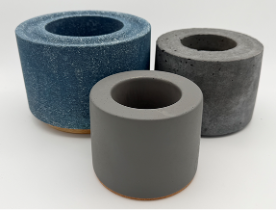
Assorted concrete fire pits for sale online in 2025-2026CPSC said products within the category could also be marketed as tabletop fire pits, fire pots, miniature fireplaces or portable fires for indoor use. The agency directed consumers to stop using and dispose of products within the category addressed by the warning and urged sellers to stop selling them.

The CPSC alcohol fire-pit consumer alert reported two deaths and at least 60 injuries since 2019 associated with products covered by the warning. CPSC also explained that isopropyl alcohol, ethanol/bioethanol and similar liquid fuels can burn at extremely high temperatures and can cause severe burns very quickly. That broad warning is important, but families should still identify the actual fire pit and fuel involved in an accident rather than assuming every liquid-fueled decorative fire product is identical.

Health Canada Has Also Warned About Alcohol Fire Pot Flame Jetting

The fire-pot flame-jetting hazard is not limited to U.S. regulatory actions. Health Canada has separately addressed portable fire pots and containers of pourable alcohol-based fuels and has provided technical analysis concerning how refueling can lead to sudden and severe burn injuries.

Health Canada’s flame-jetting risk assessment explains that alcohol flames can be difficult to see, particularly when fuel is running low, while alcohol vapor is invisible. If a person believes the fire is extinguished and begins refueling, vapor around the pouring stream can ignite and flame can travel back toward the fuel container. If a combustible fuel-air mixture associated with the container ignites, flame and burning fuel can be projected outward.

Health Canada has also addressed functional flame-mitigation devices in containers of pourable alcohol-based fuel used with portable fire pots. These Canadian safety actions provide independent government analysis supporting examination of the fire pot, fuel container, refueling sequence, warnings and safety features after a suspected flame-jetting accident. A Health Canada warning does not determine liability in a U.S. lawsuit, just as a CPSC warning does not automatically establish civil liability. Its value here is as additional government analysis of the same accident mechanisms involved in alcohol-fueled fire-pot injuries.

Colsen Fire Pits Were Recalled After Flame-Jetting and Burn Reports

CPSC announced the Colsen fire pit recall in October 2024. The recall covered approximately 89,500 Colsen-branded indoor/outdoor tabletop fire pits consisting of concrete open reservoirs intended to contain burning liquid alcohol.

  CPSC reported 31 incidents involving flame jetting or flames escaping from the concrete container and 19 burn injuries. According to the recall, two incidents involved third-degree burns over more than 40% of the victims’ bodies, while at least six incidents involved surgery, prolonged treatment, burn-center admission, disability, loss of function, physical therapy or permanent disfigurement. The recall identified seven Colsen models in multiple shapes and sizes and instructed consumers to stop using and dispose of the recalled products rather than resell or donate them.

Product-specific identifiers are therefore important. A family investigating an accident should preserve the physical fire pit, markings, packaging, instructions and purchase history needed to determine whether the unit is actually within the recalled population.

CPSC Warned Consumers to Stop Using FLIKRFIRE Tabletop Fireplaces

In December 2024, CPSC issued a product safety warning concerning FLIKRFIRE tabletop fireplaces. The agency warned that the alcohol-fueled products could produce uncontrolled pool fires and flame jetting resulting in serious or fatal burns.
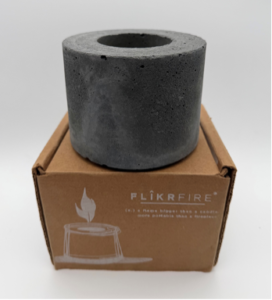
Flikrfire fit pit and box- Recalled by CPSC in 2024CPSC reported that flame jetting contributed to the June 2024 deaths of an elderly couple who were seriously burned when another person attempted to refill a FLIKRFIRE that appeared extinguished. The agency also reported other incidents involving extensive severe burns. The FLIKRFIRE fire pit CPSC warning is particularly relevant to the relationship among a fire that appears extinguished, refueling, flame jetting and severe burn injuries.

CPSC stated that the manufacturer and prior manufacturer were no longer in business and had not agreed to provide a recall remedy. That illustrates why a government safety warning does not always result in a traditional recall with a refund, replacement or repair program.

Five Below Recalled About 66,000 Tabletop Fire Pits

In September 2025, Five Below recalled approximately 66,000 tabletop fire pits because alcohol fuel could splash or leak from the reservoir during use or ignition, causing a flash fire that could spread and create larger, hotter flames. The Five Below tabletop fire pit recall involved two models, including units with a smooth black base and a beveled gray base. CPSC identified flame-jetting and fire hazards and announced a refund remedy.

This recall also demonstrates why photographs alone may not be enough to establish whether a particular unit is recalled. Model characteristics, packaging, seller information and other identifiers should be compared with the CPSC notice.

CPSC Continued Fire Pit Safety Actions in 2026

CPSC’s alcohol-fire-pit activity did not end with the broad category alert or the earlier recalls. In April 2026, the agency warned consumers to stop using Rozato tabletop fire pits after the products were associated with one death and multiple burn injuries. CPSC identified uncontrolled pool fires and flame jetting as hazards.

In May 2026, CPSC warned consumers to stop using Northlight Bio Ethanol Portable Tabletop Fireplaces because of uncontrolled pool fires and flame jetting that could result in serious or fatal burns. In July 2026, CPSC warned consumers to stop using Houswise tabletop fire pits and again identified pool-fire and flame-jetting hazards.

In August 2026, Southern Telecom recalled Brookstone-branded tabletop fire pits because their use could result in uncontrolled pool fires and flame jetting, creating a risk of serious burn injury or death. The continuing sequence of CPSC actions makes exact product identification and current regulatory research important after an alcohol-fueled fire pit accident.

A Recall and a CPSC Safety Warning Are Not the Same Thing

Families often use “recall” to describe any government warning about a product, but CPSC actions can take different forms. A recall generally identifies a particular product and a remedy developed through the recall process, such as a refund, repair, replacement or disposal instruction. A CPSC product safety warning may instead tell consumers to stop using a product even when a manufacturer has not agreed to conduct a recall or provide a remedy.

Colsen, for example, was the subject of a recall. FLIKRFIRE was the subject of a CPSC safety warning in which the agency stated that the manufacturers were no longer in business and no recall remedy was available. For an injured family, the practical question is not merely “Was it recalled?” but what government action applies to this exact product and what does that action say about the reported hazard?

When a recalled fire pit causes serious burns, identifying the product and government warning is only the beginning. Experienced recalled fire pit injury attorneys can investigate the accident mechanism, manufacturer, fuel container, warnings and distribution chain to determine whether the evidence supports a product-liability claim.

ASTM F3363 Has Been Central to CPSC Alcohol-Fire-Pit Actions

CPSC’s December 2024 consumer alert stated that certain fire pits requiring consumers to pour isopropyl alcohol or other liquid fuel into an open container or bowl and ignite the pooled liquid in the same location violate requirements CPSC identified in voluntary safety standard ASTM F3363-19.

CPSC explained that ASTM F3363-19 addresses hazards including pool fires and flame jetting. The standard and specific edition relevant to a product should be evaluated based on the product and time period rather than assumed.

Detailed ASTM fire-pot safety requirements can provide technical context involving fire-pot design, fuel containment, stability, extinguishment, warnings and other safety issues. A voluntary standard does not itself decide civil liability. It can nevertheless become important evidence when evaluating a product’s design, warnings, testing and regulatory history.

How Families Can Determine Whether Their Fire Pit Was Recalled or Warned About

The safest approach is to identify the exact product before comparing it with a CPSC notice.

Look for:

A fire pit sold under a private label or unfamiliar brand may still be traceable through packaging, importer markings, online purchase history or seller records. The fuel container should also be preserved. Detailed fire pit fuel and container identification can help determine what fuel was used, who manufactured or distributed it and whether the bottle incorporated relevant safety features.

What If the Box or Receipt Is Gone?

Families frequently no longer have the original box or paper receipt by the time an accident occurs. That does not necessarily make product identification impossible. Useful alternatives can include:

Do not discard a product simply because its brand or model is not immediately obvious. The physical unit and digital purchase history may contain enough information to identify it.

A Fire Pit Does Not Have to Be Recalled for an Injury Claim to Be Investigated

A CPSC recall or warning can provide valuable information about a reported hazard, prior incidents, product identification and regulatory history. But the absence of a CPSC action does not establish that a product was safe. A product-liability investigation can consider the actual design, warnings, manufacturing, accident mechanism and applicable law regardless of whether CPSC previously recalled the exact product.

Likewise, the existence of a recall does not automatically prove that a manufacturer, retailer or other company is legally responsible for a particular person’s injuries.

Recall status is evidence—not a substitute for investigating what actually happened.

Do Not Return or Destroy a Recalled Fire Pit After Someone Has Been Injured – Save the Evidence!

CPSC recall notices may instruct consumers to return, destroy or dispose of products as part of a remedy. Those instructions serve an important public-safety purpose for consumers generally.

After an injury has already occurred, however, the physical fire pit and fuel container may also be important evidence. Before returning, destroying, modifying or disposing of the products, an injured family should consider the need to preserve evidence relating to the accident.

Important items can include:

Proper preserving fire pit accident evidence can help establish the exact product, condition of its components and accident mechanism. Do not conduct home testing or attempt to recreate the accident.

How to Handle a Recalled Fire Pit That Has Not Caused an Injury

If no injury or accident has occurred, stop using a recalled fire pit and follow the remedy and disposal instructions in the specific CPSC recall notice. Do not assume that every recalled fire pit has the same return, refund or destruction procedure. Depending on the recall, instructions may direct consumers to return the product, obtain a refund, mark or photograph the product before disposal, or permanently dispose of it. Some safety warnings provide no replacement or refund and simply direct consumers to stop using and dispose of the product.

The instructions for the exact brand and model should control.

Consumers should also avoid transferring a recalled hazard to someone else. Federal law prohibits the sale of recalled consumer products, including secondhand sales through online marketplaces. Individual fire-pit recall notices may also specifically instruct consumers not to resell or donate affected units.

Alcohol or other flammable fuel requires separate attention. Remaining fuel should not simply be poured into household plumbing or ordinary trash. Disposal requirements can vary by fuel and location, so consumers should follow product instructions and applicable local or state hazardous-waste requirements. If a fire pit has already caused a burn, fire or other accident, do not destroy, return, test or alter the fire pit or fuel container before evidence-preservation issues have been addressed.

Do Not Sell or Give Away a Recalled Fire Pit

A recalled fire pit should not simply be moved from one household to another. CPSC states that federal law prohibits selling recalled consumer products, including secondhand sales through online marketplaces. Individual recall notices may also specifically instruct consumers not to resell or donate affected fire pits.

That prohibition matters because recalled products can remain in consumers’ possession or appear through online marketplaces, resale platforms, garage sales and other secondary channels. Before selling a used fire pit, consumers should identify the exact brand and model and check current CPSC recall information. After an injury has occurred, however, evidence preservation comes first. Do not destroy or transfer a fire pit involved in an accident merely because a recall notice ordinarily calls for disposal. The product may need to be preserved so its identity, condition, warnings, components and accident mechanism can be evaluated.

CPSC Reports Document Severe and Sometimes Fatal Burn Injuries

CPSC’s fire-pit actions document injuries ranging from serious burns requiring extensive medical treatment to fatal accidents. The Colsen recall reported third-degree burns covering more than 40% of the body in two incidents and identified surgeries, burn-center admissions, physical therapy and permanent disfigurement among reported consequences.

The FLIKRFIRE warning reported two deaths associated with a flame-jetting incident and additional incidents involving extensive severe burns. Families dealing with severe and third-degree fire pit burns may face hospitalization, skin grafting, rehabilitation, reconstruction and permanent scarring. The medical consequences should be documented independently from the regulatory history of the product.

Online Marketplaces and Retailers May Appear in CPSC Product Histories

CPSC notices can help identify where products were sold. Product histories may include manufacturer websites, large retailers, Amazon and other online marketplaces. Determining online seller and retailer liability requires a separate legal analysis based on the transaction, the company’s role and applicable law. The fact that a retailer appears in a CPSC notice does not by itself establish civil liability.

Purchase records and marketplace histories can nevertheless be important for identifying the seller and tracing the product’s distribution chain.

Questions Families Ask About CPSC Fire Pit Recalls and Warnings

How do I know whether our fire pit was recalled?

Identify the brand, model, item number and seller, then compare those details with the applicable CPSC notice. Packaging, labels, instruction manuals and online order history can help.

What if our fire pit looks like a recalled model but has a different brand?

Do not assume it is the same product. Similar fire pits may be sold under different names. Preserve the unit and investigate the manufacturer, importer, seller and identifying markings.

What if we threw away the box?

Online order history, photographs, labels on the product, credit-card records and seller information may still identify the unit.

Does a CPSC warning mean the manufacturer is automatically liable?

No. A CPSC action can provide important evidence, but civil liability depends on the facts, applicable law and relationship between the identified hazard and the accident.

Can we investigate a claim if our model was never recalled?

Yes. The absence of a recall does not establish that a product was safe or prevent the design, warnings, manufacturing and accident mechanism from being investigated.

Should we return a recalled fire pit after someone was burned?

After an injury, consider evidence-preservation issues before returning, destroying or altering the product. The fire pit and fuel container may be important evidence.

Can recalled fire pits still appear online or in resale markets?

Yes. Recalled products can remain in consumers’ possession or appear through secondary channels. Federal law prohibits the sale of recalled consumer products, so the exact product should be identified before it is resold or transferred.

How should we dispose of a recalled fire pit if nobody was injured?

Follow the instructions in the specific CPSC recall or safety notice for that brand and model. Remedies and disposal procedures vary; there is no single destruction method that applies to every recalled fire pit.

Does a Health Canada warning matter in a U.S. case?

Health Canada does not determine U.S. civil liability, but its technical analysis can provide additional government information concerning difficult-to-see alcohol flames, refueling, backward flame propagation, flame jetting and fuel-container safety.

What should our family preserve after an injury?

Keep the fire pit, fuel container, remaining fuel, packaging, instructions, warnings, purchase records, photographs and video. Avoid testing, returning, destroying or altering the products before evidence-preservation issues have been considered.

Board-Certified Trial Lawyer for Fire Pit Burn Cases

CPSC warning and recall cases can involve product identification, regulatory history, engineering, warnings, alcohol-fuel systems, accident reconstruction and catastrophic burn injuries. A government recall or safety warning can provide important evidence, but the particular fire pit, fuel container, accident mechanism and injuries still require individual investigation.

David P. Willis — Board Certified Personal Injury Trial Lawyer for CPSC Fire Pit Recall and Burn Injury CasesDavid P. Willis has been Board Certified in Personal Injury Trial Law since 1988 by the Texas Board of Legal Specialization. He has represented seriously injured people and families in catastrophic injury and defective-product litigation for more than 40 years and is licensed in Texas and New York. He formerly served as a Briefing Attorney to Justice Robert M. Campbell of the Supreme Court of Texas.

His 40+ years of fire and product-liability experience includes cases involving flammable products, from oilfield storage tank fire injuries, gas hot water heater fire and explosion burns, pickup truck gas tank fire death, overhead gas storage tank explosion death, multiple butane and propane vessel explosion, to butane lighter burns, product warnings, manufacturers, distributors and retailers.

When a fire pit has been recalled or identified in a government safety warning, the regulatory history should be evaluated together with the physical product, fuel container, warnings, purchase records, accident evidence and medical injuries. Cases outside Texas and New York can be handled with qualified affiliated or local counsel when required without increasing the client’s attorney fee.

Need Immediate Help? Free Fire Pit Injury Case Review

Map of the United States showing nationwide legal help for fire pit explosion and burn injury victimsIf you were injured by flame jetting, a spill fire, or a defective fire pit that should have been recalled, contact Board-Certified Trial Lawyer David P. Willis. With 40+ years of experience, hundreds of millions of dollars recovered, and licensed in Texas and New York, our firm investigates defective fuel containers, unstable burner designs, missing flame arrestors, and failed warnings. Call Us 24/7 at 1-800-447-FIRE

Your Consultation is Free, and You Pay No Fees Unless Your Case Is Won.

Need Help? Free Fire Pit Injury Case Review

Map of the USA representing nationwide coverage of fire pit recalls, safety warnings, and burn injury claimsIf you were injured by flame jetting, a spill fire, or a defective fire pit that should have been recalled, contact Board-Certified Trial Lawyer David P. Willis. With 40+ years of experience, hundreds of millions recovered, and licensed in Texas and New York, our firm investigates defective fuel containers, unstable burner designs, missing flame arrestors, and failed warnings.

Your Consultation is Free, and You Pay No Fees Unless Your Case Is Won.

Recalls

GET IN TOUCH

CALL 24/7

GET A FREE CASE REVIEW