ASTM F3363 is a voluntary safety standard addressing certain freestanding liquid- and gel-fueled portable devices commonly sold as tabletop fire pits, fire pots, decorative burners and similar products. The standard is important because these small devices can expose consumers to hazards involving liquid fuel, open flames, refueling, stability and fire spreading beyond the intended burn area.
ASTM F3363-19 has particular importance in the United States because the Consumer Product Safety Commission has cited that edition in safety actions involving alcohol- and other liquid-burning fire pits. CPSC has identified hazards including uncontrolled pool fires and flame jetting and has relied on F3363-19 when describing certain products consumers should stop using.
The edition matters. ASTM F3363-19 should not automatically be described as the current standard for every fire pit or every accident. ASTM has published later revisions, and the relevant standard, edition, product date and regulatory history should be identified for the particular product being investigated.
ASTM International develops voluntary consensus standards used across many products and industries. ASTM F3363 addresses safety requirements for freestanding liquid- and gel-fueled portable devices intended to produce a flame. For families investigating a serious fire pit accident, the significance of ASTM F3363 is practical: the standard provides technical safety criteria that can help evaluate how a product was designed, constructed, tested, labeled and intended to be used.
Issues addressed by the standard can include matters involving:
The exact requirements should be evaluated from the applicable edition rather than assumed from a summary.
CPSC brought substantial attention to ASTM F3363-19 in its December 2024 consumer alert concerning alcohol- and other liquid-burning fire pits.
CPSC warned consumers not to buy or use certain fire pits designed to burn pooled alcohol or other liquid fuel when those products violate requirements the agency identified in ASTM F3363-19. The agency described products that may be marketed as tabletop fire pits, fire pots, miniature fireplaces or portable fires for indoor use.
The CPSC alcohol fire-pit safety warning identified uncontrolled pool fires and flame jetting as serious hazards and reported deaths and dozens of burn injuries associated with products within the category addressed by the alert. CPSC’s reliance on F3363-19 makes that edition particularly important when investigating products associated with the regulatory actions in which CPSC specifically cited it.
Safety standards change. Requirements can be revised as technical knowledge, product designs and safety concerns evolve.
That means an investigation should not simply locate the newest edition and assume that every requirement in it governed a product manufactured years earlier. Nor should an older edition automatically be treated as the relevant benchmark for a newer product. Important fire pit burn pre-lawsuit investigation questions can include:
The answers can help place the product’s design and warnings in the correct technical and regulatory context.
An uncontrolled pool fire can occur when liquid alcohol or another fuel burns outside the intended combustion area or spreads across accumulated or spilled fuel. This is different from flame jetting. A pool fire may involve burning fuel spreading across a tabletop, patio, floor or surrounding materials and suddenly producing larger or hotter flames.
CPSC’s regulatory actions involving alcohol-burning tabletop fire pits have repeatedly identified uncontrolled pool fires as a serious burn hazard. An investigation may examine the burner or reservoir, amount of fuel, fuel containment, fill level, stability and whether liquid could escape or accumulate outside the intended burn area.
Flame jetting generally concerns a different sequence. During refueling, an existing ignition source can ignite vapor associated with the pouring fuel. Flame can propagate toward the fuel container and, under some circumstances, flame and burning liquid can then be rapidly projected outward. Detailed outward flame-jetting accidents can cause severe burns to the person holding the fuel bottle and to bystanders who never touched the product.
Flame jetting should not be confused with a pool fire merely because both can produce a sudden fireball. Establishing the mechanism can require examination of the fire pot, fuel container, witness positions, video and burn patterns. CPSC’s repeated references to both hazards underscore why a fire pit investigation should distinguish where the fuel was burning and how the flame traveled.
A tabletop fire pit may be used close to people, food, furniture and other combustible materials. Stability therefore matters when a product contains or burns liquid fuel.
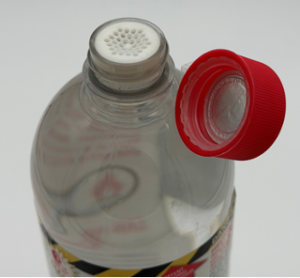
Exhibit 36: Flame Arrestor on one of the Exemplary Fuel Containers
If a fire pot tips or moves, burning or unburned fuel may escape the intended combustion area. Depending on the circumstances, spilled fuel can create additional fire exposure. Technical investigation can consider:
A stability issue does not automatically establish a defect. The product design, applicable requirements, test results and accident circumstances need to be evaluated together.
A consumer needs a reliable way to stop combustion before bringing fresh liquid fuel near a fire pot. The extinguishment method and refueling instructions can therefore become important after a serious accident.
Alcohol flames can become difficult to perceive under some conditions, particularly when small. A person may believe the fire is out even though an ignition source remains.
The relationship among difficult-to-see alcohol flames, extinguishment and refueling can raise questions about whether instructions adequately explained how to determine that combustion had stopped and when additional fuel could safely be introduced. An investigation may compare the instructions supplied with the product with the actual product design, warnings, intended fuel and applicable safety requirements.
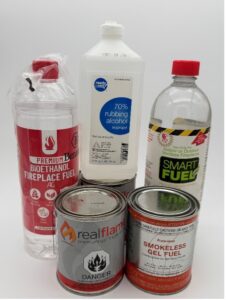
Exhibit 34: Exemplar Fire Pit Alcohol and Ethanol Fuel Containers
A refueling accident can involve more than the fire pot. The alcohol fuel and container from which it is poured can introduce separate design and warning issues. Detailed fire pit fuel and container design can involve the fuel formulation, bottle opening, dispensing system, nozzle, flame arrestor or other flame-mitigation device and warnings.
This distinction matters because the fire pot and fuel container may be manufactured by different companies and governed by different technical considerations. After a suspected flashback or flame-jetting event, both products should be preserved and evaluated rather than assuming that the decorative fire pit alone caused the accident.
Warnings cannot replace every possible design safeguard, but they can provide important information about hazards that consumers need to understand.
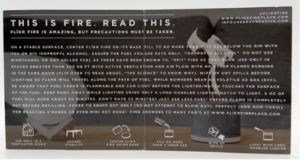
Exhibit 5: Flikrfire Fire Pit User Instructions
Depending on the product and applicable requirements, an investigation may examine warnings concerning:
Where the warning appeared can also matter. Some information may be permanently affixed to a product, while other warnings appear only on the box, manual or separate inserts. The original packaging and instructions should therefore be preserved whenever possible.
ASTM standards provide technical criteria. CPSC warnings and recalls can provide a different kind of evidence: government action involving particular products or product categories. Current CPSC fire pit safety warnings and recalls can identify specific brands, models, reported incidents, remedies and hazards involving flame jetting or uncontrolled pool fires.
CPSC’s broad alcohol-fire-pit alert expressly referenced ASTM F3363-19, while later product-specific actions have continued to identify flame-jetting and pool-fire hazards. A CPSC action does not automatically establish civil liability, and a product’s absence from a recall list does not establish that it was safe.
No. The legal significance of a voluntary standard depends on the jurisdiction, claim, product, applicable edition and evidence.An ASTM standard can be important technical evidence when evaluating product design, testing, warnings and recognized safety practices. But a lawsuit still requires analysis of the governing law and the relationship between the alleged product problem and the accident.
Likewise, evidence that a product complied with a particular standard does not necessarily answer every question about design, warnings or liability.The proper analysis begins with the product and accident evidence rather than treating a standard as an automatic legal conclusion. When a serious burn raises questions about ASTM F3363, technical-standard evidence must be connected to the particular product, accident and applicable law. Fire pit product liability attorneys can work with qualified technical professionals to evaluate product design, warnings, testing records and whether any identified safety issue contributed to the injury.
A technical-standard investigation depends on identifying the exact product.
Important evidence can include:
Proper preservation of fire pit accident scene evidence can help establish when the product was made, how it was represented and which technical requirements may be relevant. Do not test, modify or destroy the product after an injury. Technical examination should preserve the condition of the evidence whenever possible.
What does ASTM F3363 mean?
ASTM F3363 is a voluntary safety standard addressing certain freestanding liquid- and gel-fueled portable devices, including products commonly marketed as tabletop fire pits or fire pots.
Is ASTM F3363-19 still the only relevant version?
No. ASTM standards can be revised. F3363-19 is particularly important because CPSC cited it in major alcohol-fire-pit safety actions, but the applicable edition should be determined from the product and relevant time period.
Does my fire pit have to say “ASTM F3363” on it?
Not necessarily. Product markings, packaging, instructions, manufacturer records, testing documents and regulatory history may all be relevant when determining what standards were claimed or applicable.
Does violating ASTM F3363 prove that a fire pit was defective?
Not automatically. The legal significance of a standard depends on applicable law and the evidence. The alleged violation must be evaluated in relation to the product and accident.
Does compliance with ASTM F3363 automatically prevent a lawsuit?
No. Compliance can be relevant evidence, but it does not necessarily resolve every issue concerning product design, manufacturing, warnings or the accident mechanism.
Why does CPSC refer to ASTM F3363-19?
CPSC cited F3363-19 when addressing certain alcohol- and other liquid-burning fire pits and hazards including uncontrolled pool fires and flame jetting.
What if my fire pit was manufactured before a newer ASTM edition?
The manufacturing and sale dates matter. The technical and legal analysis should identify the standards and other safety information relevant to that time rather than automatically applying a later edition retrospectively.
Should we preserve the original box and instructions?
Yes. Packaging and instructions can contain manufacturer, importer, model, warning and standards information that does not appear on the fire pit itself.
A serious fire pit case can require combining the applicable technical standards with the physical product, fuel system, warnings, regulatory history, accident mechanism and medical evidence.
David P. Willis has been Board Certified in Personal Injury Trial Law since 1988 by the Texas Board of Legal Specialization. He has represented seriously injured people and families in catastrophic injury and defective-product litigation for more than 40 years and is licensed in Texas and New York. He formerly served as a Briefing Attorney to Justice Robert M. Campbell of the Supreme Court of Texas.
Cases outside Texas and New York can be handled with qualified affiliated or local counsel when required without increasing the client’s attorney fee.
Families investigating whether fire-pot design, warnings or safety-standard issues contributed to catastrophic burns can evaluate a fire pit injury claim with our legal team in a free, confidential consultation.
If a serious burn or fire has occurred, preserve the fire pit, fuel container, packaging, warnings, instructions and purchase records before the products are returned, destroyed or altered.
The exact model, manufacturing information and condition of the product may be necessary to determine which safety standards, warnings and regulatory actions are relevant. Testing or destructive examination performed without an appropriate preservation plan can change evidence that cannot later be recreated.
Attorney David P. Willis and his expert team use the ASTM standard in several ways:
Defining the Standard of Care
Showing that safer, compliant designs existed and were affordable.
Demonstrating Foreseeability
Manufacturers knew or should have known that omitting flame arrestors created explosion risks.
Supporting Punitive Damages
Willful disregard of ASTM F3363-19 can justify additional punishment for reckless conduct.
Establishing Expert Testimony
Fire-science and materials experts rely on ASTM criteria to explain to juries how a proper design would have prevented the injury.
While most packaging doesn’t quote the entire standard, consumers can look for clues such as:
If your device lacks any safety certification or warning about refueling, it’s likely non-compliant.
If your fire pit or fuel container does not meet ASTM F3363-19, that fact alone can:
Attorney Willis’s team gathers fire flashback ignition, vapor explosion, and flame jetting scene accident evidence, engineering data and expert reports to document these failures and use them as powerful trial evidence.
Although ASTM F3363-19 is technically voluntary, the CPSC routinely references it in warning letters and recalls. The Commission expects manufacturers to adopt it or demonstrate equivalent safety performance.
Failure to do so can trigger enforcement actions, fines, and mandatory recalls.
If you were burned by an ethanol or gel-fuel fire feature that failed to meet ASTM F3363-19, you may be entitled to compensation for your injuries. Attorney David P. Willis has more than 40 years of experience handling product-defect and explosion lawsuits. He is Board Certified in Personal Injury Trial Law by the Texas Board of Legal Specialization and represents clients nationwide with local-counsel partners.
Free Consultation — No Fees Unless We Win
Nationwide Representation for Fire Pit Explosion Victims
Copyright © 2026 All Rights Reserved.
FirePitLawsuits.com – National investigations of alcohol-fueled fire pit explosions and burn injuries. Willis Law Firm handles product defect cases nationwide. David Willis is licensed by the State Bar of Texas since 1983 and Board Certified in Personal Injury Trial Law by the Texas Board of Legal Specialization since 1988 — a certification held by fewer than 2% of Texas attorneys. He is admitted to practice law in New York and was recognized by the American Association for Justice with the Steven Sharp Public Service Award for product defect investigation work that contributed to one of the largest federal safety recalls in US history. Willis Law Firm, 5005 Riverway Drive, Suite 160, Houston, Tx. – Principal Place of Business – All Meetings by Appointment Only.