A serious fire pit accident can raise legal questions almost immediately: Why did the fire suddenly erupt? Was the fire pit defective? Did the fuel container contribute to the accident? Was the product recalled? Who manufactured or sold it? And who may be legally responsible for severe burns, permanent scarring or a death?
Fire pit lawsuits can involve more than the decorative burner itself. Depending on what happened, an investigation may examine the fire pot, alcohol or ethanol fuel, fuel container, warnings, instructions, flame-mitigation devices, manufacturer, importer, distributor, retailer and online seller. The legal investigation should begin with the evidence and accident mechanism rather than an assumption that either the consumer or a particular company was automatically responsible.
Families do not need to know the technical cause or identify every company before seeking legal advice. Preserving the fire pit, fuel bottle, packaging, photographs, video and purchase records can allow the accident to be investigated before critical evidence disappears.
Witnesses may describe a serious accident as an explosion, fireball, flash fire or sudden burst of flame. Those descriptions are important, but they may not establish the actual mechanism.
Alcohol-fueled fire pit accidents can involve difficult-to-see flames, vapor ignition, flashback, flame jetting, spilled burning fuel, pool fires or tipping. The broad question of why a fire pit suddenly exploded can require examination of both the burner and fuel system. An accurate mechanism matters legally because different accident sequences can raise different questions about product design, warnings, instructions and the companies involved
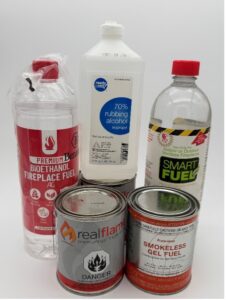
A tabletop fire pit and the liquid fuel poured into it may be separate products manufactured and sold by different companies. A serious accident can therefore require tracing more than one distribution chain.
Depending on the evidence, potentially relevant companies can include:
The number of companies involved does not determine whether a claim exists or how much it is worth. Each company’s actual role and the law governing the claim must be evaluated separately. Detailed fire pit fuel, container and brand liability can become particularly important after a refueling accident because the bottle opening, dispensing system, warnings and flame-mitigation components may require investigation along with the fire pot.
A design-defect investigation examines the product’s design rather than merely asking whether someone was injured while using it. Depending on the product and applicable law, relevant issues may include stability, fuel containment, burner or reservoir configuration, extinguishment methods, refueling design and the interaction between the fire pit and liquid fuel.
For a fuel container, investigators may also examine the opening, nozzle, dispensing method and any flame arrestor or other flame-mitigation device. A severe injury does not itself prove defective design. The actual product, technical evidence and governing legal standards must support the claim.
Warnings may become particularly important when an accident occurs during refueling.
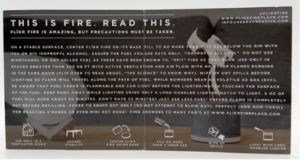
An investigation can examine whether consumers were adequately informed about:
The location, prominence and wording of a warning can matter. Instructions supplied with the fire pit and fuel container may also need to be evaluated together. A warning that simply says a liquid is “flammable” does not necessarily answer every question about whether instructions adequately communicated the particular hazard involved in an accident.
CPSC has issued warnings and recalls involving alcohol-fueled tabletop fire pits and hazards including flame jetting and uncontrolled pool fires. Current CPSC fire pit recalls and safety warnings can help identify products, reported incidents, known hazards and regulatory history. A government action may also help determine whether a particular model was subject to a stop-use warning, refund program or other remedy.
But the legal distinction is important:
A recall does not automatically prove liability in an individual case, and the absence of a recall does not establish that a product was safe. A fire pit that was never recalled can still be investigated for alleged design, manufacturing or warning defects.
Fire pits and alcohol fuels can be purchased through traditional stores, manufacturer websites, Amazon, eBay and other online marketplaces. Products can also move through resale platforms after their original purchase. Determining retailer and online seller liability can require examining who actually sold the product, whether a company imported or privately labeled it, how the transaction was structured, what warnings appeared in the listing and what law applies.
An online marketplace is not automatically liable merely because a product appeared on its website. Conversely, calling a company “just a platform” does not resolve the legal analysis. The company’s actual role and applicable jurisdiction matter. Purchase histories, seller profiles, archived listings, shipping records and emails can become important evidence.

After a catastrophic burn, medical treatment understandably comes first. But the physical products can contain evidence that cannot be recreated later.
Important evidence can include:
Proper Severe and third-degree fire pit burns can help establish product identity, condition and accident mechanism. Do not conduct home testing or attempt to recreate a flashback or flame-jetting event. Testing can be dangerous and may alter critical evidence.
Filing a serious fire pit injury lawsuit involves more than preparing court papers. Identifying potential defendants, preserving products, evaluating medical damages and determining applicable deadlines may require substantial investigation. An experienced fire pit product liability law firm can evaluate these issues and pursue claims supported by the evidence and governing law.
A serious fire pit burn can create financial, physical and personal losses extending far beyond the initial emergency-room visit. The damages available in a particular lawsuit depend on the injuries, evidence and law governing the claim, but compensation may include both economic losses that can be documented financially and non-economic losses involving the human consequences of the injury.
Depending on the jurisdiction and facts, recoverable damages in past and future may include:
Severe and third-degree fire pit burns can produce especially substantial long-term losses when treatment involves multiple surgeries, skin grafts, permanent scars, contractures or functional impairment. Medical records, operative reports, photographs, employment records, rehabilitation evidence and future-care recommendations can help document those losses.
The value of a fire pit injury claim cannot be determined from burn photographs or a diagnosis alone. Liability evidence, injury severity, future treatment, permanent consequences, economic losses, available insurance or other sources of recovery and applicable law can all affect the damages ultimately recoverable.
Some alcohol-fueled fire pit accidents have resulted in fatal burn injuries. When a person dies, the legal issues can extend beyond those presented by a nonfatal injury claim. A fire pit wrongful death claim may involve questions about which family members can bring a claim, available damages, survival claims, product liability and the law of the jurisdiction where the case is pursued.
The products should still be preserved. When the person closest to the accident cannot explain what happened, physical evidence, video, photographs and witness accounts can become especially important in reconstructing the event.
Every state imposes deadlines that can affect personal-injury, product-liability and wrongful-death claims. The applicable period can depend on the jurisdiction, type of claim, date of injury or death and other circumstances. Families should not assume that a deadline found online necessarily applies to their case. Choice-of-law questions, statutes of limitation, statutes of repose and other rules can affect the analysis.
Waiting can also create evidence problems even before a filing deadline expires. Products can disappear, online listings can change, surveillance footage can be overwritten and witnesses’ memories can fade. Early investigation can therefore matter even when a lawsuit is not immediately filed.
Do we have a case if the fire pit was never recalled?
Potentially. A recall is not required for a product-liability claim to be investigated. The design, warnings, manufacturing, accident mechanism and applicable law matter.
What if we do not know who manufactured the fire pit?
Preserve the product and search packaging, labels, instruction manuals, order histories and online listings. Importer, seller and shipping information may help identify the distribution chain.
Can the fuel company be responsible too?
Potentially, depending on the evidence and applicable law. The fuel formulation, bottle, warnings, dispensing system and safety components can require investigation separately from the fire pit.
What if someone else was refueling when I was burned?
A bystander can potentially have a claim even though another person was handling the fuel. Responsibility depends on the accident mechanism, products, conduct of the parties and applicable law.
What if a different brand of fuel was used?
That fact can be relevant, but it does not automatically determine responsibility. Compatibility, instructions, warnings and the actual mechanism should be investigated.
What if the fire pit was a gift?
The absence of a personal purchase does not necessarily prevent investigation. The product itself, packaging, gift giver’s purchase history and seller information may help identify the product and distribution chain.
What if we lost the receipt or box?
Online order histories, credit-card records, emails, photographs, labels and seller records may still identify the product.
How important is the fuel bottle?
Potentially very important in a refueling accident. Preserve the original container, remaining fuel, cap, nozzle and internal components.
How much is a severe fire pit burn case worth?
There is no reliable universal amount. Case value depends on liability evidence, burn severity, treatment, permanent injuries, economic losses, available damages, insurance or other sources of recovery and applicable law.
How long do we have to file a lawsuit?
The deadline depends on the jurisdiction and claim. A lawyer should determine the applicable limitations and repose rules from the actual facts rather than relying on a generic internet deadline.
Serious product-liability litigation can require investigation, experts, medical review, depositions and other litigation expenses. Families dealing with catastrophic burns should not have to decide whether to investigate a claim based solely on whether they can afford hourly attorney fees.
Fire pit injury cases can be handled on a contingency-fee basis. Attorney fees are not owed unless compensation is recovered. The terms of representation should be explained in the written fee agreement, including how litigation expenses and any association with other counsel are handled.
A serious fire pit claim can require reconstructing both the product and the transaction. The fire pit, fuel container, packaging and warnings can establish what the consumer actually received, while order histories, online listings, shipping labels, seller identities and communications can help determine how the product moved through the distribution chain.
That investigation can become particularly important when the original manufacturer is overseas, the fire pit was privately labeled, the seller has disappeared, or warnings appeared only on packaging or instructions that did not remain with the product. Digital evidence should be preserved before listings, seller profiles or account information change or disapper
David P. Willis has been Board Certified in Personal Injury Trial Law since 1988 by the Texas Board of Legal Specialization. He has represented seriously injured people and families in catastrophic injury and defective-product litigation for more than 40 years and is licensed in Texas and New York. He formerly served as a Briefing Attorney to Justice Robert M. Campbell of the Supreme Court of Texas.
Cases outside Texas and New York can be handled with qualified affiliated or local counsel when required without increasing the client’s attorney fee. Families trying to determine whether a defective fire pit, alcohol fuel, fuel container or seller contributed to catastrophic burns can evaluate a fire pit injury claim with our legal team in a free, confidential consultation.
If you or a family member suffered severe burns or disfigurement from a tabletop or alcohol-fueled fire pit, preserve the fire pit, fuel container, packaging and instructions. Also preserve the online transaction before digital evidence disappears, including the product listing, seller identity, order history, shipping information, emails and available screenshots.
Legal deadlines vary by jurisdiction, and important evidence can disappear well before a filing deadline expires. Early investigation can help identify the manufacturer, importer, seller and other companies in the distribution chain while physical and digital evidence remains available
Copyright © 2026 All Rights Reserved.
FirePitLawsuits.com – National investigations of alcohol-fueled fire pit explosions and burn injuries. Willis Law Firm handles product defect cases nationwide. David Willis is licensed by the State Bar of Texas since 1983 and Board Certified in Personal Injury Trial Law by the Texas Board of Legal Specialization since 1988 — a certification held by fewer than 2% of Texas attorneys. He is admitted to practice law in New York and was recognized by the American Association for Justice with the Steven Sharp Public Service Award for product defect investigation work that contributed to one of the largest federal safety recalls in US history. Willis Law Firm, 5005 Riverway Drive, Suite 160, Houston, Tx. – Principal Place of Business – All Meetings by Appointment Only.