When a family says a tabletop fire pit “exploded,” that description may refer to several different fire events. A sudden fireball may involve ignition of alcohol vapor, flame traveling backward toward a fuel container, flame jetting from the container, burning liquid fuel spreading across a surface, or a combination of these mechanisms.
Determining what actually happened matters. A fire pot does not necessarily have to rupture or physically explode for witnesses to experience a violent burst of flame. The fuel bottle can remain largely intact while flame and burning liquid are rapidly projected outward, and spilled alcohol can create a secondary fire after the initial flash.
A careful fire pit explosion investigation therefore begins by separating what witnesses saw from the physical mechanism that produced it. The fire pot, fuel container, remaining fuel, warnings, video, photographs and burn patterns can help reconstruct whether the accident involved flashback, flame jetting, a pool fire, tipping, spilled fuel or another ignition sequence.
Families commonly use words such as “exploded,” “blew up,” “fireball” or “burst into flames.” Those descriptions are valuable because they record what witnesses perceived, but they do not necessarily identify which product ignited or how the flame traveled.
A sudden event can involve:
The distinction is important because each mechanism directs investigators toward different evidence. A fuel-container event raises different design questions from a fire pot that tips and spills fuel, while a pool fire differs from flame jetting even when witnesses describe both as an explosion.
An alcohol fire pit can appear extinguished even though a small flame remains. Alcohol flames are not universally invisible, but they can be difficult to perceive under some conditions, particularly when the flame is small and the fuel level is low. Alcohol vapor is invisible.
If someone believes the fire has gone out, refueling may begin while an ignition source remains. Difficult-to-see alcohol flames can help explain why the absence of an obvious yellow-orange flame does not necessarily mean combustion has stopped.
This issue can be especially important when evaluating warnings and foreseeable consumer behavior. Investigators may need to determine what the user could actually see, how the device was supposed to be extinguished, whether a cooling period was specified and what the instructions said about determining when refueling was safe. CPSC has warned that a small alcohol flame can be hard to see during refueling and can ignite fuel vapor, creating a flame-jetting hazard.
Refueling changes the conditions around the fire pot. A container of flammable liquid is brought close to the burner, fresh fuel is poured and vapor can be present around the stream. If an ignition source remains, those conditions can create a rapid fire sequence.
Important questions include:
These questions can help determine whether the event began at the burner, along the pouring stream, at the container opening or somewhere else.
When ignition reaches a combustible fuel-air mixture associated with the container, outward flame jetting can project flame and potentially burning liquid fuel through the container opening. The event can expose the person holding the bottle and people nearby. Burning liquid may also land on clothing, furniture, a tabletop, flooring or other surfaces and continue burning.
Health Canada describes flame jetting as an extremely rapid event that can leave users and bystanders little opportunity to move away. Expelled burning fuel can also increase the duration of thermal exposure when it reaches clothing or skin. This distinction explains why someone seated across a table may suffer severe burns even though that person never touched the fire pit or fuel bottle.
A violent flame event can occur without the fuel bottle splitting apart. Flame can propagate toward the opening, ignite vapor associated with the container and produce a rapid outward discharge while the bottle remains recognizable afterward.
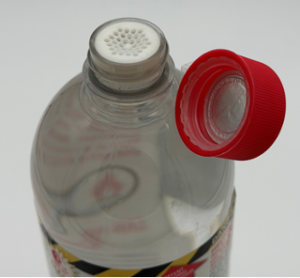
Container rupture can occur under some circumstances, but it should not be assumed merely because witnesses saw a fireball. Flame jetting and physical container rupture are related but distinct possible outcomes. After an accident, the bottle should therefore be preserved even when it appears intact. Its opening, nozzle, cap, internal space, screens and flame-mitigation components can provide important evidence.
An uncontrolled pool fire occurs when pooled or spilled alcohol burns across a surface. Flame jetting involves outward projection from a fuel container. They are different mechanisms, although one accident can involve both.
CPSC has warned that some alcohol-burning tabletop fire pits can produce uncontrolled pool fires in which flames spread across pooled or spilled alcohol, as well as flame jetting from fuel containers. A pool fire may suddenly produce larger or hotter flames and spread beyond the original burner. Burning fuel can reach a tabletop, patio, floor, furniture or clothing.
Investigators may need to examine:
Calling every event an “explosion” can obscure these important distinctions.
Not every severe accident begins during refueling. A device that tips, moves or allows burning fuel to escape can create a spreading fire without a classic flashback sequence. Tabletop products are often used near people, food, furniture and combustible materials. If burning liquid escapes the intended combustion area, the fire can spread rapidly beyond the device.
Product-specific investigation may therefore examine the base, burner cup, reservoir, stability, fill level, extinguishment method and whether the design allowed fuel to spill or accumulate. Fire-pot design features such as fuel containment, stability, extinguishment and warnings can therefore be important even when the accident did not begin with fuel being poured.
The decorative fire pot is only part of the system. The liquid fuel and the container from which it is poured can be equally important.
Fire pit fuel and container design can involve ethanol, bioethanol, isopropyl alcohol or similar liquid fuels, along with the bottle opening, nozzle, dispensing method and internal safety components.
A functional flame-mitigation device or flame arrestor is intended to reduce the likelihood that flame will propagate into a flammable-liquid container. The presence, design and condition of such a device may therefore become important after a suspected flashback or flame-jetting accident. The original bottle should be preserved. Investigators may need to determine what fuel was actually used, who manufactured it, whether the original container was being used and what warnings and safety features accompanied it.
A sudden fireball does not by itself establish whether the event involved flashback, flame jetting, spilled fuel or physical rupture. Fire pit explosion lawsuit lawyers can coordinate investigation of the products, witnesses and available video to determine what happened and whether a manufacturer, fuel company or another party may be legally responsible.
A generic statement that alcohol is flammable may not answer every warning question after a refueling accident. Investigators may examine what the fire-pit and fuel-container instructions specifically told consumers about extinguishment, cooling and refueling.
Relevant issues can include:
Warnings should be evaluated together with product design and the actual accident evidence rather than in isolation.
CPSC has issued broad and product-specific warnings involving alcohol or other liquid-burning tabletop fire pits and hazards including pool fires and flame jetting. The CPSC alcohol fire-pit safety warning addresses alcohol- and other liquid-burning fire pits that can present flame-jetting and fire hazards and documents reported deaths and serious burn injuries.
The site’s CPSC fire pit warnings and recalls can help families identify the exact product, manufacturer, model, reported hazard and regulatory history associated with a particular fire pit. A government warning or recall does not establish liability in an individual case. Likewise, the absence of a recall does not establish that a product was safe.
The location and pattern of burns may provide useful information when considered with physical and witness evidence. Projected burning fuel can affect the face, hands, arms, chest and other exposed areas. A pool fire or burning clothing may produce a different distribution and duration of thermal exposure.
Severe and third-degree fire pit burns can require burn-center hospitalization and extensive treatment. The medical evidence may include burn-depth assessments, TBSA calculations, operative reports, photographs and graft documentation.
Medical evidence should not be used alone to declare which mechanism occurred. But when combined with witness positions, video, product evidence and fire patterns, it can help investigators reconstruct how flame and burning fuel traveled.
After a serious accident, families should avoid throwing away the very products that may answer what happened.
Important evidence can include:
Proper preserving fire pit explosion evidence can help distinguish among flashback, flame jetting, pool fire, tipping and other possible mechanisms. Do not conduct home testing or attempt to recreate the accident. Testing can be hazardous and may alter or destroy important evidence.
Why did our fire pit suddenly explode?
There is no single explanation for every accident. The event may involve vapor ignition, flashback, flame jetting, spilled burning fuel, a pool fire or another mechanism. The products and evidence should be examined before assigning a cause.
Did the fire pit explode, or did the fuel bottle ignite?
Either may be relevant, and witnesses may not be able to distinguish them during a sudden fireball. The condition of the fire pot and fuel container, video, witness accounts and burn patterns can help reconstruct where ignition occurred.
How could this happen when the flame looked out?
A small alcohol flame can be difficult to see under some conditions, and alcohol vapor is invisible. A fire pot that appears extinguished may still contain an ignition source.
Does the fuel bottle have to rupture for flame jetting to happen?
No. Flame jetting can occur without the bottle physically splitting apart. Container rupture is a separate possible outcome.
Why did flame travel backward toward the bottle?
Ignition of vapor around a pouring fuel stream can allow flame to propagate toward the fuel source. That mechanism is commonly described as flashback.
Why did fire shoot across the table?
If a fuel-container event produces flame jetting, flame and burning liquid can be projected outward and expose people nearby. Spilled burning fuel can also spread across surfaces.
Can a fire pit cause a pool fire without flame jetting?
Yes. Pooled or spilled alcohol can ignite and burn across a surface independently of a flame-jetting event.
Does using a different fuel automatically mean the consumer caused the accident?
No. The actual fuel, product instructions, compatibility, warnings and accident sequence should be investigated. Using a different fuel can be relevant without automatically resolving responsibility.
What if we no longer have the fuel bottle?
Preserve photographs, receipts, online order history, packaging and any remaining product information. Those materials may help identify the fuel and seller.
Does the fire pit have to be recalled?
No. A recall can provide useful evidence, but the absence of a recall does not establish that a product was safe or prevent an accident from being investigated.
What should our family preserve?
Keep the fire pit, fuel container, remaining fuel, packaging, warnings, instructions, receipts, photographs and video. Do not test, alter, return or discard the products before they can be evaluated.
A sudden fireball or severe burn does not by itself establish legal responsibility. Liability depends on what happened, which products were involved, how they were designed and warned, the distribution chain and applicable law. Depending on the evidence, an investigation may involve the fire-pot manufacturer, fuel or fuel-container manufacturer, component supplier, brand owner, importer, distributor, retailer or online seller.
Determining online seller and retailer liability may require identifying who actually sold the product, how the transaction was structured, what warnings and product information appeared in the listing and what role each company played in the distribution chain. The national online retailers include Amazon, eBay, Facebook Marketplace, Craigslist and many more.
Potential legal issues can include defective design, manufacturing defects, inadequate warnings or instructions, negligence, breach of warranty and other claims recognized under applicable law. The investigation should begin with evidence rather than an assumption that either the consumer or a particular company was automatically responsible.
Fire pit explosion cases can involve combustion, fuel chemistry, container design, warnings, accident reconstruction, regulatory history and catastrophic burn injuries.
David P. Willis has been Board Certified in Personal Injury Trial Law since 1988 by the Texas Board of Legal Specialization. He has represented seriously injured people and families in catastrophic injury and defective-product litigation for more than 40 years and is licensed in Texas and New York. He formerly served as a Briefing Attorney to Justice Robert M. Campbell of the Supreme Court of Texas.
If a tabletop fire pit explosion injured your child, friend, or family member, legal help is available. These cases often involve defective product design, invisible flames, and inadequate warnings. Victims may recover compensation for medical care, surgeries, pain and suffering, disfigurement, and long-term emotional trauma. Cases occurring outside New York or Texas are handled through the association with local counsel in other states.
Call 1-800-447-FIRE or request a Free Case Review of Your Fire Pit Case today to learn your options. We work on a contingency fee basis — meaning you pay nothing unless we win your case
If vapor around a pouring stream ignites, flashback toward the fuel container can occur as flame propagates backward toward the source of the fuel. This can happen rapidly and can bring flame toward the bottle held by the person refueling.
Flashback describes the direction of flame propagation. It does not necessarily mean that the fuel bottle ruptured, nor does it mean flame jetting automatically occurred.
The Health Canada flame-jetting risk assessment describes a sequence in which an existing flame or hot fire pot can ignite vapor around the pouring stream, allowing the flame front to travel toward the container and potentially ignite a fuel-air mixture associated with the container. That distinction is useful when a witness remembers “the bottle exploded.” The physical container, cap, opening and internal components may help determine whether rupture actually occurred or whether the event involved ignition and outward flame discharge without major structural failure.
Copyright © 2026 All Rights Reserved.
FirePitLawsuits.com – National investigations of alcohol-fueled fire pit explosions and burn injuries. Willis Law Firm handles product defect cases nationwide. David Willis is licensed by the State Bar of Texas since 1983 and Board Certified in Personal Injury Trial Law by the Texas Board of Legal Specialization since 1988 — a certification held by fewer than 2% of Texas attorneys. He is admitted to practice law in New York and was recognized by the American Association for Justice with the Steven Sharp Public Service Award for product defect investigation work that contributed to one of the largest federal safety recalls in US history. Willis Law Firm, 5005 Riverway Drive, Suite 160, Houston, Tx. – Principal Place of Business – All Meetings by Appointment Only.